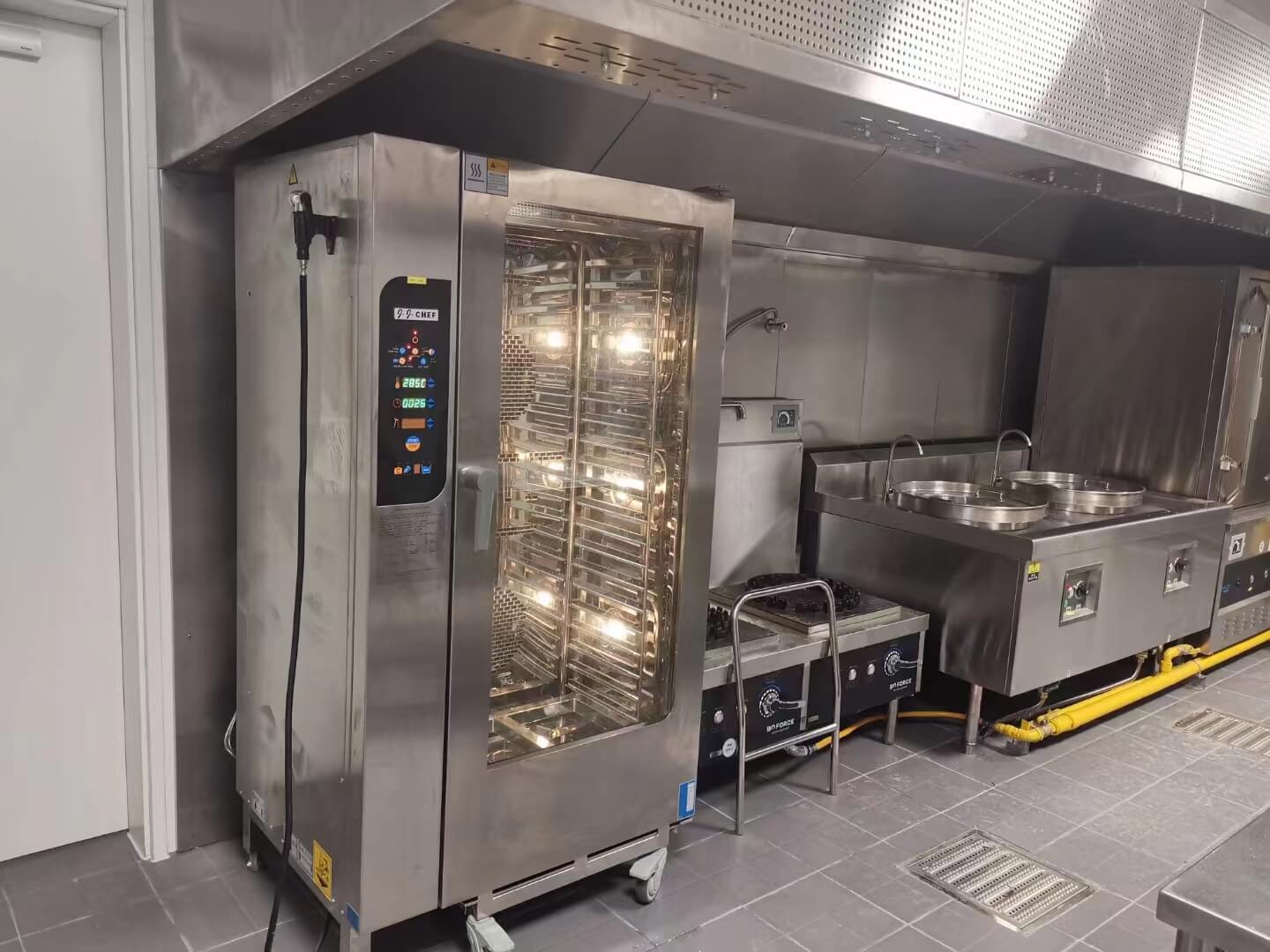
How to Use Electric Combi Oven: A Comprehensive Guide for Professionals
Electric combi ovens are versatile appliances essential in modern commercial kitchens, blending the functions of a convection oven, steamer, and sometimes a grill into one efficient unit. For B2B professionals in the food industry, such as restaurant owners and chefs, mastering this equipment can enhance productivity and dish quality. This guide covers everything from basics to advanced usage, ensuring you get the most out of your investment. By optimizing workflows with electric combi ovens, businesses can reduce cooking times and improve consistency, making them a staple in foreign trade for kitchen equipment suppliers.
What is an Electric Combi Oven?
An electric combi oven combines convection heating, steam injection, and sometimes combination modes to cook food evenly and efficiently. Unlike traditional ovens, it uses electricity as its power source, making it ideal for settings without gas lines. In B2B contexts, these ovens are popular for their precision and energy efficiency, helping food service operations meet high-volume demands.
Key features include digital controls for temperature and humidity, multiple cooking modes like baking, roasting, and steaming, and programmable settings for consistent results. For foreign trade professionals, electric combi ovens represent a reliable export product, with models ranging from compact units for small cafes to large industrial versions for hotels and catering services.
Benefits of Using an Electric Combi Oven in Professional Settings
Electric combi ovens offer numerous advantages that can boost your business operations. They save space by replacing multiple appliances with one, which is crucial for kitchens with limited real estate. Additionally, the precise control over moisture levels prevents food from drying out, ensuring better texture and flavor in dishes like meats and vegetables.
From an SEO perspective for B2B websites, highlighting benefits like energy savings—up to 30% compared to conventional ovens—can attract buyers seeking sustainable solutions. These ovens also reduce labor costs by automating processes, allowing staff to focus on other tasks. In foreign trade, their durability and ease of maintenance make them a top choice for international markets.
Another key benefit is versatility; you can bake pastries, steam fish, or roast poultry all in the same unit. This multifunctionality enhances menu diversity, helping restaurants stand out in competitive landscapes. Overall, investing in an electric combi oven can lead to higher customer satisfaction and repeat business.
Step-by-Step Guide to Using an Electric Combi Oven
Preparation and Setup
Before using your electric combi oven, ensure it’s properly installed in a well-ventilated area with access to electrical power. Check the manufacturer’s guidelines for voltage requirements to avoid damage. For B2B users, always verify that the unit meets local safety standards, which is vital for export compliance.
Start by cleaning the interior to remove any manufacturing residues. Load your racks or trays with food items, spacing them evenly for optimal airflow. This step is crucial for achieving uniform cooking, especially in high-volume operations like bakeries or catering services.How to Use Electric Combi Oven
Selecting the Right Cooking Mode
Electric combi ovens typically offer modes such as convection, steam, or a combination. Choose convection for dry heat baking, steam for moist cooking like rice or vegetables, and combination for items needing both, such as juicy roasts. Understanding these modes helps in recipe development, a key selling point for B2B content on foreign trade sites.
For instance, set the oven to 180°C in combination mode for roasting chicken, adjusting humidity to 60% for tender results. Experiment with settings to match your specific needs, and always use the oven’s digital interface for precise adjustments.
Operating the Oven Safely
Once your mode is selected, preheat the oven as required—usually 5-10 minutes. Place your food inside and monitor through the glass door to avoid unnecessary opening, which can affect temperature stability. In professional kitchens, this efficiency translates to faster service times.
Set timers and alarms to prevent overcooking, and use the oven’s core temperature probe for meats to ensure food safety. Remember, electric models heat up quickly, so always wear protective gloves when handling trays.
Finishing and Cooling Down
After cooking, allow the oven to cool before cleaning, typically by running a ventilation cycle. Remove food promptly to maintain quality and prevent bacterial growth, which is essential in food safety protocols for B2B operations.
For advanced users, utilize the oven’s memory functions to save favorite recipes, streamlining daily workflows. This feature is particularly appealing in foreign trade, where buyers seek user-friendly equipment for global clients.
Safety Precautions When Using an Electric Combi Oven
Safety is paramount in any kitchen environment, especially with electrical appliances. Always ensure the oven is grounded and free from water exposure to prevent shocks. For B2B professionals, conducting regular safety audits can mitigate risks and comply with international standards.How to Use Electric Combi Oven
Wear appropriate protective gear, such as heat-resistant gloves and aprons, and never leave the oven unattended during operation. Keep flammable materials away from the unit, and train staff on emergency shut-off procedures to handle any malfunctions swiftly.
Additionally, monitor for signs of wear, like faulty door seals, which could lead to energy loss or accidents. In foreign trade contexts, emphasizing these precautions in product descriptions can build trust with buyers.
Maintenance and Cleaning Tips for Longevity
Regular maintenance extends the life of your electric combi oven, reducing downtime in busy kitchens. Clean the interior after each use with approved detergents to prevent grease buildup, which can affect performance. For B2B users, this routine helps maintain resale value in the equipment market.
Descale the steam generator every few months using manufacturer-recommended solutions to ensure consistent humidity levels. Check filters and vents regularly to optimize airflow, and schedule professional servicing annually for electrical components.
Proper maintenance not only ensures efficiency but also enhances energy savings, making it a smart choice for cost-conscious businesses. In foreign trade, highlighting easy maintenance can differentiate your products in competitive markets.
Applications of Electric Combi Ovens in Various Industries
Electric combi ovens are not limited to restaurants; they’re widely used in hotels for banquet services, bakeries for precise baking, and even in healthcare for preparing meals that meet dietary needs. Their ability to handle multiple cooking tasks makes them ideal for diverse B2B applications.
In catering, these ovens enable large-scale production with minimal oversight, perfect for events and corporate functions. For export-oriented businesses, showcasing applications like food processing in manufacturing can attract wholesalers.
Moreover, in educational settings like culinary schools, electric combi ovens provide hands-on training for future chefs, emphasizing their role in skill development. This versatility positions them as a must-have in global food supply chains.How to Use Electric Combi Oven
Frequently Asked Questions
Below are common queries from professionals using electric combi ovens, answered to provide quick insights.
What is the main difference between electric and gas combi ovens?Electric combi ovens rely on electrical heating elements for consistent, precise control, while gas models use flames, which may offer faster heating but require gas infrastructure. Electric versions are often safer and easier to install in various locations.
How do I troubleshoot if my oven isn’t heating properly?First, check the power supply and ensure no fuses are blown. If the issue persists, inspect for sensor errors via the control panel and consult the manual. For B2B users, regular checks can prevent costly repairs.
Can electric combi ovens be used for baking bread?Yes, they excel at baking bread due to their convection and steam modes, which create the perfect crust and crumb. Adjust humidity for optimal results, making them a favorite in professional bakeries.
What energy efficiency ratings should I look for when buying one?Seek models with high energy star ratings, typically above 90%, to minimize operational costs. In foreign trade, energy-efficient options appeal to eco-conscious buyers in international markets.
How often should I replace parts like seals or filters?Replace seals every 1-2 years and filters as needed, based on usage intensity. Proactive maintenance ensures longevity and is crucial for warranty claims in B2B transactions.
Conclusion
In summary, mastering the use of an electric combi oven can transform your professional kitchen operations, offering efficiency, versatility, and superior results. From understanding its features and benefits to following safety and maintenance protocols, this guide equips B2B professionals with the knowledge to leverage this essential tool. Whether you’re in foreign trade, managing a restaurant, or supplying equipment, incorporating electric combi ovens will enhance productivity and drive business success.How to Use Electric Combi Oven
Product Video:  Follow us on Facebook
Product Category
| >Cooking Equipment | >Refrigeration Equipment | >Bakery Equipment | >Food Processing Equipment | >S.S. Furniture
| >Food Display Equipment | >Snack equipment | > | >Furniture | >Small Wares