
Introduction to Central Kitchens and Their Equipment Needs
A central kitchen, also known as a commissary kitchen, is a high-efficiency food preparation facility designed to serve multiple outlets such as restaurant chains, hotels, catering services, cloud kitchens, or institutional cafeterias. It centralizes the cooking, processing, storage, and dispatch of meals or meal components to ensure consistency, quality control, and cost-efficiency. Unlike a single-unit kitchen, the central kitchen typically handles large-scale food production, which requires a specialized layout and a diverse range of heavy-duty commercial kitchen equipment. This facility is generally divided into different zones — dry storage, cold storage, preparation, cooking, baking, packaging, warewashing, and dispatch. Each area is supported by specific categories of equipment, tailored to streamline operations, maintain food hygiene standards, and improve productivity. The following paragraphs break down the essential equipment needed in a central kitchen, zone by zone, starting with the dry storage area.
1. Dry Storage Area Equipment
The dry storage area is a crucial section of any central kitchen. It is designated for the storage of non-perishable ingredients such as flour, grains, canned goods, spices, pasta, oils, condiments, sugar, salt, and packaging materials. To manage high-volume inventory efficiently and preserve the quality of dry ingredients, the dry storage zone must be well-organized, ventilated, and equipped with storage solutions that ensure accessibility and hygiene.
1.1 Heavy-Duty Storage Racks and Shelving Units:
Industrial-grade stainless steel or epoxy-coated wire shelving units are indispensable in dry storage areas. These racks come in multiple tiers and are designed to hold substantial weight, often up to 300–500 kg per shelf. Adjustable shelves provide flexibility in organizing containers of different sizes, such as 50 kg sacks of rice or 25-liter oil drums. Some units are fitted with wheels for mobility, aiding in regular cleaning and reorganization.
1.2 Ingredient Bins and Dispensers:
High-capacity, food-grade plastic ingredient bins with tight-fitting lids are used to store bulk items like flour, sugar, rice, or semolina. Many bins are mounted on wheels for ease of movement. Some modern central kitchens use gravity-fed ingredient dispensers that allow chefs or production staff to dispense pre-measured quantities quickly without contaminating the rest of the product. Transparent designs help staff monitor stock levels at a glance.
1.3 Pallet Racks and Pallet Jacks:
For very large central kitchens, ingredients are often delivered in pallets and stored in bulk before being transferred to shelving units. Heavy-duty pallet racks accommodate such deliveries, while manual or electric pallet jacks help staff move goods without excessive physical strain. These systems improve efficiency during inventory intake and reduce damage to goods.
1.4 Labeling and Inventory Systems:
While not always classified as ‘equipment’, barcode scanners, labeling printers, and digital inventory systems are vital for managing dry goods efficiently. These devices ensure accurate tracking of stock, expiry dates, and batch numbers, preventing waste and supporting food traceability.Central Kitchen Equipment List | Industrial Kitchen Equipment
1.5 Ladder Stools and Trolleys:
Since racks often reach ceiling height to optimize storage space, safety ladder stools with anti-slip rubber feet or lightweight aluminum ladders are necessary. Additionally, flatbed trolleys or utility carts help transport heavy containers or cartons from the dry storage area to the prep zone or cold rooms with minimal effort.
1.6 Environmental Controls:
Temperature and humidity meters may be installed in the dry store to ensure that the climate remains within food-safe ranges. Too much moisture can spoil dry ingredients or encourage mold growth. Some central kitchens use dehumidifiers or climate-controlled dry rooms, especially in humid regions.
This dry storage infrastructure ensures bulk ingredients are stored safely, organized logically, and easily accessible, forming the first step toward a productive and sanitary central kitchen workflow.
2.Cold Storage and Refrigeration Equipment
In a central kitchen, cold storage is indispensable for preserving perishable ingredients, maintaining the cold chain for raw materials, and storing pre-prepared meals safely. Due to the volume and variety of items involved — including dairy, meat, seafood, vegetables, sauces, and cooked items — multiple refrigeration units are required, each designed for a specific purpose. These units range from walk-in chillers and freezers to specialized display refrigerators and blast chillers. The cold storage zone must be laid out with workflow efficiency in mind, often with separate rooms or cabinets for raw meats, vegetables, dairy, and ready-to-eat items to prevent cross-contamination.
2.1 Walk-In Cold Rooms and Freezers:
The backbone of central kitchen cold storage is the walk-in cold room. These large insulated chambers are fitted with powerful refrigeration compressors and are used to store large quantities of perishable food items at controlled temperatures. Walk-in chillers typically maintain temperatures between 0°C and 4°C, suitable for fresh produce, dairy products, and chilled meats. Walk-in freezers operate at temperatures as low as -18°C and are used to store frozen vegetables, meats, seafood, pastry items, and backup stock.
Cold rooms are constructed with polyurethane-insulated panels and sealed with stainless steel doors fitted with safety release mechanisms. Interior LED lighting, aluminum shelving, digital thermostats, and non-slip flooring enhance usability. For very large kitchens, multiple walk-ins may be installed — one for raw meat, another for dairy, and a third for vegetables or finished products. This ensures food safety and smooth workflow in a HACCP-compliant environment.
2.2 Reach-In Refrigerators and Freezers:
While walk-ins serve as bulk storage, reach-in refrigerators and freezers are used in food prep areas for frequent access. These upright units usually come with one to three solid or glass doors and multiple adjustable wire shelves. Constructed with stainless steel interiors and exteriors, they are durable, easy to sanitize, and capable of withstanding the daily demands of commercial use. Glass-door refrigerators allow quick visibility of stored contents, reducing door opening time and temperature fluctuations. Dual-temperature models that combine refrigeration and freezing in a single cabinet help save space.Central Kitchen Equipment List | Industrial Kitchen Equipment
2.3 Undercounter Refrigerators and Salad Prep Tables:
In production areas where space is limited, undercounter refrigerators and sandwich prep tables offer convenient storage for perishable ingredients. These compact units are often used in the salad, sandwich, or dessert sections of a central kitchen. Their tops are fitted with GN pans (Gastronorm containers) for holding toppings or condiments, while their base acts as a refrigerated cabinet. Chefs can access ingredients quickly without having to leave their station, enhancing efficiency.
2.4 Blast Chillers and Freezers:
In high-volume central kitchens, food safety regulations mandate rapid cooling of cooked foods to prevent bacterial growth. This is where blast chillers and blast freezers become essential. These units are designed to bring down the core temperature of cooked foods from 90°C to below 4°C in less than 90 minutes (for chilling) or to -18°C in under 240 minutes (for freezing). Blast chillers prevent bacterial proliferation during the danger zone (5°C–60°C), preserve food quality, and extend shelf life. They are used for cooling soups, sauces, roasted meats, braised vegetables, and pasta before storage or distribution.
2.5 Cold Storage Shelving and Racks:
Even within refrigerated environments, proper organization is key. Epoxy-coated or polymer shelving systems are installed in walk-ins and large reach-ins to store food items in an orderly manner. These shelves are resistant to corrosion caused by high humidity and low temperatures. Proper spacing between racks ensures cold air circulation and minimizes warm spots that could compromise food safety. Color-coded racks may be used to distinguish between categories like meat, vegetables, or dairy.
2.6 Refrigerated Trolleys and Transport Cabinets:
For central kitchens supplying meals to satellite locations or events, insulated and refrigerated transport cabinets are used. These mobile units help maintain cold chain integrity during internal transport or distribution. Some are powered (with built-in compressors), while others are passive and use eutectic plates to maintain low temperatures for several hours.
2.7 Ice Machines:
Ice is often needed in central kitchens for food preservation during preparation, cooling beverages, or in seafood displays. Modular or undercounter ice machines produce cubed, flaked, or nugget ice, depending on operational needs. Hygiene features like self-cleaning cycles, antimicrobial components, and air filters are increasingly common in modern models.
2.8 Temperature Monitoring and Alarm Systems:
Maintaining consistent cold temperatures is vital. Advanced central kitchens install digital thermometers and automated data loggers in all refrigeration units. These systems continuously monitor temperature and humidity, and some are connected to alarm systems or mobile alerts that notify management in case of equipment failure or deviation from set points.
Through the intelligent use of refrigeration technology, central kitchens can preserve food safely, reduce spoilage, ensure regulatory compliance, and maintain a high level of operational efficiency. The design of cold storage areas, along with the strategic use of various cooling equipment, forms the backbone of food safety management in large-scale culinary operations.
3.Food Preparation Equipment
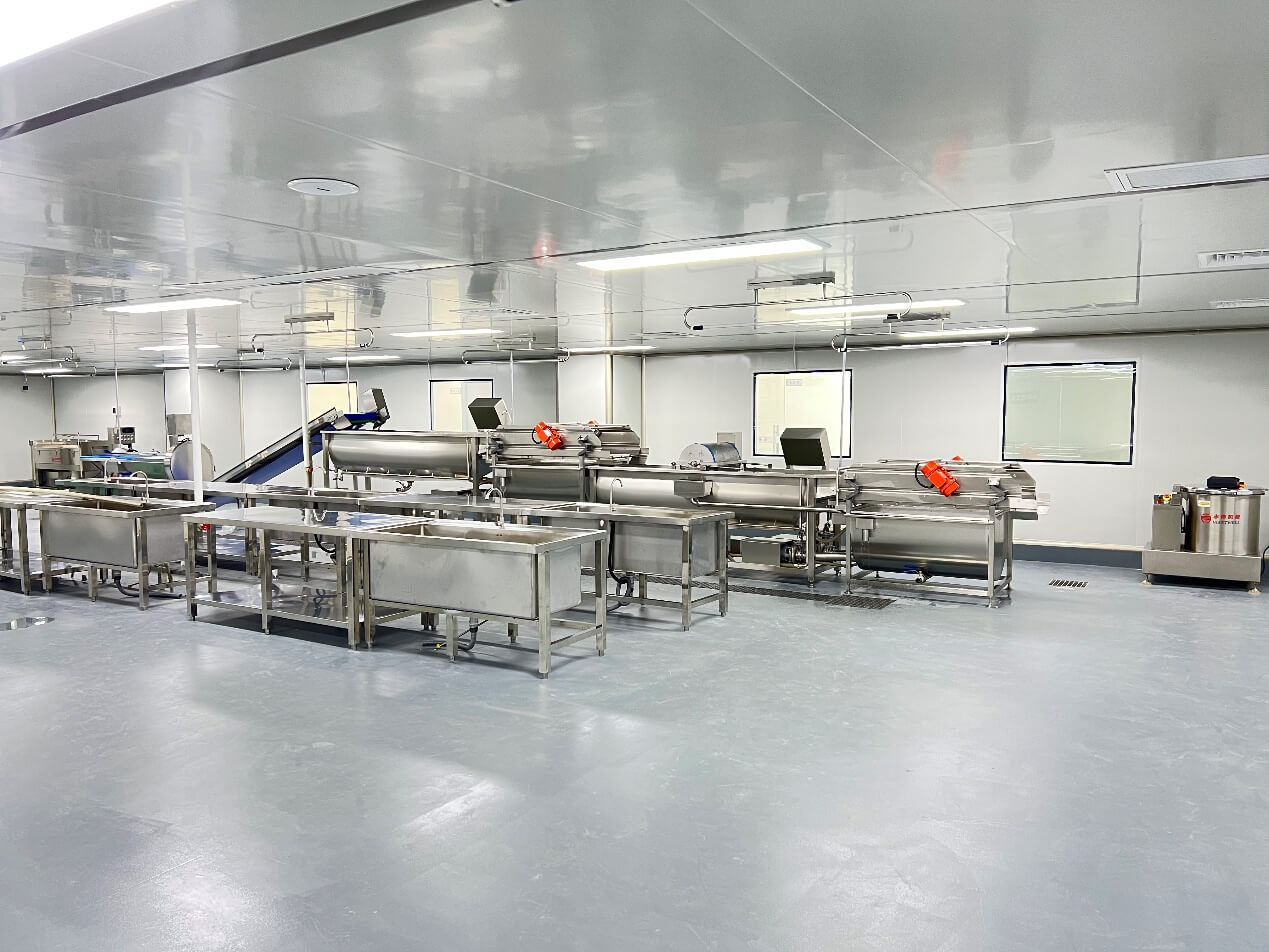
The food preparation area is the operational core of a central kitchen where raw ingredients are transformed into ready-to-cook or ready-to-eat components. This zone must support high volumes of activity, offer maximum sanitation, and streamline workflow across various cuisine types. Preparation in a central kitchen involves washing, peeling, slicing, chopping, grinding, marinating, mixing, and portioning. To manage such tasks efficiently, a wide range of industrial-grade equipment is required, designed to withstand prolonged, heavy-duty use while ensuring food consistency and safety.Central Kitchen Equipment List | Industrial Kitchen Equipment
3.1 Vegetable Washing and Drying Equipment:
One of the most time-consuming tasks in food prep is cleaning vegetables. Commercial vegetable washers automate this process. These machines use high-pressure water jets and rotating baskets to wash leafy greens, root vegetables, and fruits, removing dirt, pesticides, and residues. Some models include built-in ozone sterilization or bubble-washing mechanisms. After washing, vegetables are transferred to vegetable centrifuges or spin dryers, which remove excess water before further processing or storage — especially important in salads, stir-fries, or packaging operations.
3.2 Vegetable Cutters and Food Processors:
To reduce manual labor and improve precision, central kitchens often rely on automatic vegetable cutting machines. These multi-function devices can slice, dice, shred, julienne, or cube a wide range of produce including onions, carrots, potatoes, cucumbers, and even soft vegetables like tomatoes. Output can reach hundreds of kilograms per hour. Changeable blades and programmable settings allow chefs to achieve different cutting styles for salads, garnishes, curries, or stir-fry dishes. Heavy-duty bowl-type food processors are used for pureeing, emulsifying, or blending items such as sauces, gravies, and batters.
3.3 Meat and Fish Preparation Equipment:
In kitchens that handle high volumes of protein, meat processing tools are essential. Commercial meat slicers with adjustable blades are used for cold cuts, cooked meats, and even cheese. Bone saw machines are needed to portion large cuts of beef, mutton, or pork. Meat grinders (mincers) allow staff to process fresh ground meat for burgers, kebabs, meatballs, and sausages. These grinders are equipped with various dies for different textures and are often made of stainless steel for hygiene and durability. Meat tenderizers, sausage fillers, and fish descalers are also commonly found in high-output meat sections.
3.4 Peelers and Root Vegetable Processors:
For bulk processing of potatoes, onions, carrots, and similar vegetables, industrial peelers significantly reduce prep time. Abrasive or knife-type peelers use rotating drums and water to remove skins with minimal waste. Some also combine peeling and slicing features. Onion peelers, in particular, are equipped with exhaust fans to extract vapors that may irritate workers’ eyes, enhancing comfort and productivity.
3.5 Mixers and Dough Kneaders:
Large-scale baking, breading, or dumpling production requires planetary mixers and spiral mixers. Planetary mixers are ideal for whisking batters, creams, and light doughs, while spiral mixers are better suited for heavy bread dough. With bowl capacities ranging from 10 to 100 liters or more, these machines are indispensable in pastry and bakery sections. Dough sheeters and dough dividers further aid in producing uniform sheets or portions of dough for items such as naan, pizza, samosas, or pastries.
3.6 Grinding and Milling Machines:
Spice grinding is a key task in many central kitchens, especially in Indian, Middle Eastern, or Southeast Asian cuisines. Heavy-duty grinders and pulverizers are used to grind dry spices like cumin, coriander, fennel, pepper, or chili into fine powder. Wet grinders are utilized for making pastes from soaked lentils or rice, especially in South Indian preparations like dosa, idli, or vada. Pulverizing machines with cyclone dust collectors ensure hygienic and dust-free grinding.
3.7 Marinade Tumblers and Mixers:
For meat or tofu dishes that require marination, vacuum tumblers and mixers can drastically reduce the time and improve absorption. These machines massage and mix the marinade into the product under vacuum pressure, opening up the cellular structure of proteins and enhancing flavor. They are particularly useful in central kitchens preparing marinated chicken, kebabs, or satay in large batches.Central Kitchen Equipment List | Industrial Kitchen Equipment
3.8 Worktables, Cutting Boards, and Knife Sets:
Beyond motorized equipment, no preparation area is complete without robust stainless steel worktables. These surfaces are resistant to corrosion, easy to sanitize, and highly durable. Cutting boards in various colors (often coded for meat, vegetables, dairy, etc.) help prevent cross-contamination. A full set of commercial kitchen knives, including chef’s knives, cleavers, boning knives, paring knives, and serrated knives, is essential for manual prep tasks. Some kitchens invest in sharpening systems to maintain blade edges efficiently.
3.9 Portioning Tools and Scales:
Precision in portioning affects not only food quality but also cost control and consistency. Digital portion scales are used for measuring ingredients by gram or kilogram, depending on the recipe. Large-capacity platform scales help weigh incoming ingredients in sacks or cartons. Portioning tools such as scoops, ladles, and portion cups ensure uniform servings during plating or packing.
3.10 Ingredient Storage in the Prep Area:
In addition to dry store inventory, preparation areas require quick-access ingredient bins, GN pan holders, and refrigerated drawers. These allow chefs to work without frequent trips to the storage room or walk-in fridge. Tilt bins, stackable containers, and hanging utensil racks also help maintain order and cleanliness in high-speed prep zones.
This wide variety of food preparation equipment is key to managing labor efficiency, ensuring consistency in batch production, and reducing preparation times — all essential qualities in a modern central kitchen that supplies high volumes to multiple outlets or clients.
4.Cooking Equipment
The cooking section of a central kitchen is perhaps its most intensive area — in terms of energy consumption, labor involvement, and the range of culinary techniques applied. Central kitchens may operate 16 to 24 hours per day, producing thousands of meals, sauces, stocks, and meal components. This demands not just powerful cooking appliances, but also those that offer consistency, safety, batch control, and ease of cleaning. The equipment used in this area must be versatile and robust, with capabilities suited to boiling, steaming, frying, roasting, grilling, simmering, and baking. These machines are typically arranged by cuisine type or production line — for instance, an Asian cooking line, Western hot kitchen, vegetarian section, and bulk boiling section — with ventilation and workflow planned accordingly.Central Kitchen Equipment List | Industrial Kitchen Equipment
4.1 Tilting Boiling Kettles and Steam Jacketed Kettles:
These are foundational pieces in bulk cooking operations. Tilting boiling pans or steam jacketed kettles are used for boiling soups, stews, rice, curries, lentils, gravies, and sauces in high volume. Capacities range from 50 liters to 500 liters or more. Steam jacketed versions use indirect steam heating between two stainless steel walls to provide uniform heat distribution, reducing the risk of scorching. These kettles often come with integrated agitators to stir contents during cooking, digital control panels for temperature and time, and hydraulic or manual tilting mechanisms for easy decanting. They’re ideal for preparing base sauces, soups, rice dishes, porridge, or braises that are portioned or packaged afterward.
4.2 Bratt Pans and Tilting Skillets:
Also known as multifunctional braising pans, bratt pans can grill, stew, shallow-fry, boil, or sauté large quantities of food. Their flat-bottom design and wide surface area make them perfect for browning meat, frying vegetables, or cooking dishes like scrambled eggs, pilaf, and pasta sauces. The tilting function allows cooked food to be poured out quickly into GN pans or food trolleys. Some high-end models come with integrated stirrers, touchscreen controls, and programmable recipes for full automation.
4.3 Combi Ovens:
One of the most advanced and indispensable machines in a central kitchen is the combi oven. These units combine convection heat, steam, and a mix of both, offering immense versatility. From roasting meats and steaming vegetables to baking bread or regenerating chilled foods, combi ovens can handle it all. Their programmable touch screens allow for automated cooking of multiple recipes with consistent results. High-capacity combi ovens come with multiple trays and built-in core temperature probes to ensure precision. Some models include self-cleaning cycles, energy-saving modes, and humidity control. In central kitchens, combi ovens help standardize cooking across different outlets.Central Kitchen Equipment List | Industrial Kitchen Equipment
4.4 Pressure Cookers and Pressure Braising Units:
Industrial pressure cookers significantly cut cooking times for legumes, meats, broths, and curries — making them extremely valuable in a high-output kitchen. These stainless steel units are fitted with multiple safety features, digital pressure controls, and quick-release valves. In Indian or Asian kitchens, for example, pressure cookers are essential for cooking dals, beans, biryani bases, and bone broths. Pressure braising pans or combi pressure cookers may also be used to sauté and then pressure-cook in the same unit.
4.5 Induction and Gas Ranges:
Depending on the energy infrastructure and menu type, central kitchens use high-output gas ranges or induction cooktops. Gas ranges with multiple burners allow quick, adjustable flame cooking for stir-frying, boiling, or searing. Induction cooktops, although more expensive upfront, offer energy efficiency, safety, and easier cleaning. They also reduce ambient heat and are ideal in tightly controlled environments. Central kitchens often use heavy-duty Chinese wok ranges, tandoori ovens, or European open-burner stoves depending on cuisine needs. Ranges may come with built-in ovens below, extending versatility.
4.6 Tandoor Ovens:
For kitchens offering Indian or Middle Eastern cuisine, clay or stainless steel tandoors are indispensable. These cylindrical ovens use charcoal, gas, or electricity to reach high temperatures for cooking naan, kebabs, and grilled items. Modern gas tandoors come with insulation, ash drawers, and temperature regulators to ensure consistent cooking and reduced smoke.
4.7 Grills, Griddles, and Charbroilers:
Flat-top griddles and open-flame charbroilers allow high-volume grilling of meats, sandwiches, patties, and vegetables. These machines are typically used in breakfast or Western food sections. Gas or electric, they come in various widths (600mm to 1800mm) and often include grease collection drawers for hygiene. Salamander grills — a type of overhead broiler — are used for finishing, melting cheese, or adding color to dishes just before serving or packing.Central Kitchen Equipment List | Industrial Kitchen Equipment
4.8 Deep Fryers:
High-output deep fryers are required for cooking samosas, fries, chicken, cutlets, spring rolls, or donuts. These fryers may be floor-standing twin-basket models or continuous conveyor-style fryers, depending on the scale. Oil filtration systems, digital timers, and temperature controls are common features that improve safety and oil life. In halal, vegetarian, or allergen-sensitive kitchens, dedicated fryers are assigned to avoid cross-contamination.
4.9 Steamers and Boiling Pans:
Electric or gas steamers are used to cook vegetables, dim sum, rice, seafood, and desserts like puddings or idlis. Large-format steaming cabinets with tray systems allow batch cooking without direct contact with water, preserving nutrients and texture. Boiling pans are often used to prepare soups, noodles, dumplings, or bulk vegetables, with double-walled insulation to save energy.
4.10 Pasta Cookers and Noodle Boilers:
These units are designed with wire baskets to cook multiple pasta or noodle portions simultaneously. They often come with built-in water reservoirs, overflow systems, and automatic starch removal. These are commonly used in kitchens serving Italian or Asian fusion dishes.
4.11 Rice Cookers and Rice Boilers:
For kitchens preparing rice in bulk, industrial rice boilers are used. These massive units can cook tens of kilograms of rice in one batch with precision controls for water ratio, timing, and steam release. Gas or electric, they’re essential in Asian, Indian, or Middle Eastern central kitchens.
4.12 Soup Kettles and Bain-Maries:
For hot holding and service, soup kettles or bain-marie counters are used to keep sauces, gravies, or pre-cooked items at a safe temperature until packaging or service. These are often placed near the dispatch or packaging section.Central Kitchen Equipment List | Industrial Kitchen Equipment
4.13 Ventilation Hoods and Fire Suppression Systems:
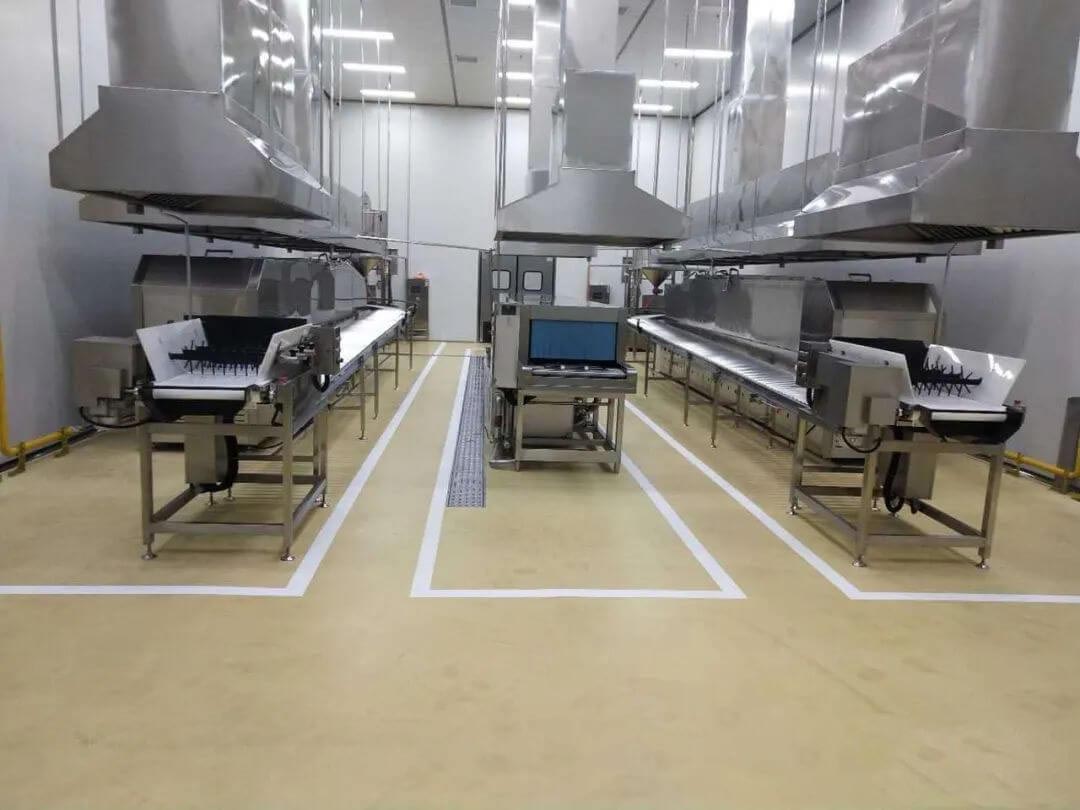
With all this heat and oil, powerful exhaust hoods with grease filters and fire suppression systems are required over all cooking appliances. These systems remove smoke, heat, odors, and airborne grease, maintaining air quality and safety in the kitchen. Some hoods include UV filters and odor control units.
4.14 Thermal Oil or Indirect Heating Systems:
In some high-tech central kitchens, thermal oil cooking systems are used to provide uniform heat to multiple cooking stations with a single energy source, reducing fuel cost and improving consistency.
Cooking in a central kitchen requires far more than just “bigger versions” of restaurant equipment. These machines are engineered for continuous use, ease of cleaning, safety compliance, and scalability. Together, they allow chefs and kitchen operators to cook hundreds or thousands of portions daily — consistently and efficiently — without compromising on taste, texture, or quality.
5.Baking and Pastry Equipment
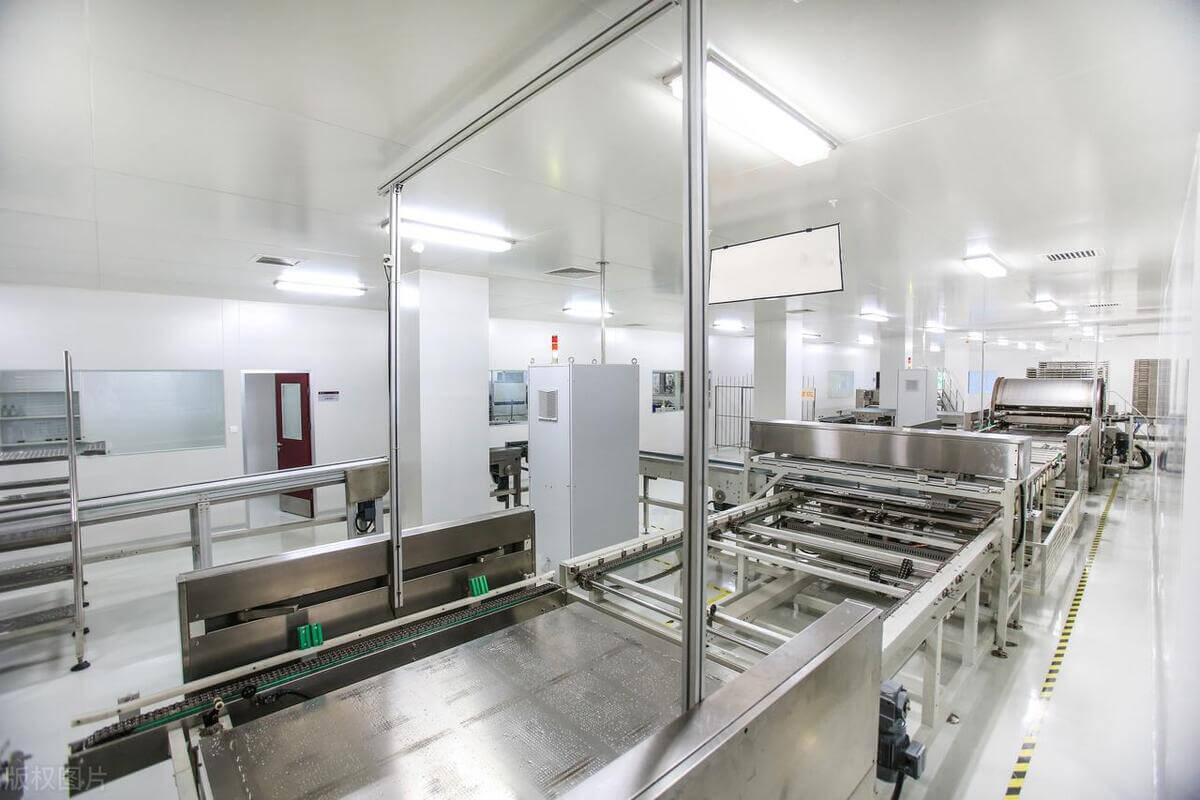
In central kitchens with bakery and pastry production units, precision, batch consistency, and capacity are the pillars of success. The baking and dessert zone must be equipped to handle a broad range of tasks — from mixing and kneading doughs to proofing, baking, cooling, decorating, and packaging. Whether supplying pastries to a hotel chain, bread to retail stores, or desserts for meal kits, central baking operations require robust, high-volume machinery built for speed and quality control. The layout typically flows from dry storage and mixing areas to ovens, cooling zones, and finishing stations — ensuring efficient movement of ingredients and products.
5.1 Planetary Mixers:
One of the most commonly used machines in the bakery zone, planetary mixers are highly versatile and suitable for batters, cake mixes, creams, fillings, and light doughs. They operate with interchangeable attachments — typically a whisk, beater, and dough hook — and are available in sizes ranging from 10 to 100 liters or more. Heavy-duty planetary mixers with digital timers, variable speed settings, and safety guards ensure high consistency for every batch.Central Kitchen Equipment List | Industrial Kitchen Equipment
5.2 Spiral Dough Mixers:
Unlike planetary mixers, spiral mixers are designed specifically for dense doughs like those used in bread, pizza bases, or buns. The spiral hook design allows for gentle, low-friction kneading that develops gluten effectively without overheating the dough. Large-capacity spiral mixers, with bowl capacities up to 200 liters, are vital in bread production units, ensuring high-quality dough formation with uniform hydration and strength.
5.3 Dough Sheeters and Dough Rollers:
Central kitchens producing puff pastry, croissants, pie crusts, or flatbreads benefit from automatic dough sheeters. These machines flatten and stretch dough into uniform sheets with adjustable thickness settings. Some models are reversible, enabling rolling in both directions, which helps with delicate pastry work. Dough rollers are also used in pizza and chapati sections for quick shaping of discs or sheets, improving speed in high-volume settings.
5.4 Bread Slicers and Dough Dividers:
After baking, breads are often portioned or sliced for retail or foodservice packaging. Industrial bread slicers can cut entire loaves evenly in seconds, while dough dividers automate the pre-baking process by dividing a bulk dough into uniform weights — essential for consistency and portion control. Divider-rounders go a step further by shaping the portions into balls, perfect for buns, rolls, and pizza bases.
5.5 Proofing Cabinets (Dough Provers):
For yeast-based products, controlled proofing is essential. Commercial proofing cabinets maintain optimal humidity and temperature to allow dough to rise evenly before baking. These stainless steel, enclosed cabinets are designed with multiple rack levels and digital control panels to ensure uniform fermentation. Some models integrate retarder functions (cold-proofing), which allows for overnight or slow fermentation schedules.
5.6 Deck Ovens and Convection Ovens:
The heart of bakery production lies in its ovens. Deck ovens use stone or steel decks heated by electric or gas sources to simulate traditional hearth baking. Ideal for artisan bread, pastries, and pizzas, they provide consistent top-bottom heat and retain moisture. These ovens may come with multiple independent decks, allowing the kitchen to bake different items simultaneously at different temperatures.Central Kitchen Equipment List | Industrial Kitchen Equipment
5.7 Convection ovens
on the other hand, circulate hot air through fans, enabling faster and more even baking of cookies, cakes, muffins, and pastries. These are especially useful for delicate products that require precision and uniform color. Many models feature steam injection to maintain product softness and crust quality. Rack-style convection ovens that accommodate entire trolley racks are common in large-scale bakery kitchens.
5.8 Rotary Rack Ovens:
For extremely high-volume production, rotary rack ovens are used. These large ovens rotate a full rack of trays inside a steam and heat-controlled chamber, ensuring even baking. They’re widely used for bread loaves, buns, and packaged pastries. Built-in steam injection, programmable controls, and temperature regulation help achieve repeatable results at industrial levels.
5.9 Cake Depositors and Batter Dispensers:
In kitchens producing large quantities of cakes, muffins, or cupcakes, automated cake depositors dispense uniform amounts of batter into molds or trays. These machines reduce labor, eliminate waste, and ensure consistent portioning. Adjustable nozzles and programmable settings support multiple batter types and tray configurations.
5.10 Chocolate Tempering Machines:
For kitchens handling chocolate work — whether for cake finishing, pralines, or coatings — tempering machines melt and stabilize chocolate for a glossy finish and crisp snap. They control temperature through precise heating and cooling cycles, ensuring that cocoa butter crystals form correctly. Some include dosing nozzles or enrobing functions for chocolate-dipping applications.
5.11 Pastry Cream Cookers and Fillers:
These specialized cookers are used to produce custards, pastry creams, and fillings in bulk. Fitted with agitators and temperature controls, they prevent burning or curdling and can dispense directly into containers or depositor machines. Combined with pastry filling injectors, they streamline the production of cream puffs, éclairs, doughnuts, or filled pastries.
5.12 Cooling Racks and Trolleys:
Post-baking, products must cool before packing or decorating. Multi-tiered wire cooling racks and mobile tray trolleys ensure that airflow surrounds products, preventing soggy bottoms or over-condensation. These trolleys are often sized to fit directly into ovens and proofers, streamlining movement across the baking area.
5.13 Decorating and Finishing Tools:
Decorating stations in central kitchens may use airbrushes, rotating cake stands, heated icing spreaders, and automated icing machines for speed and uniformity. Conveyor-style decorating lines exist for certain products such as snack cakes or chocolate-coated bars. Piping bags, stencils, chocolate molds, and edible ink printers also support custom finishing.
5.14 Bakery Packing Machines:
Once cooled, baked goods are packed using flow wrappers, shrink tunnels, or vacuum packaging machines. Flow pack machines wrap items like cakes or rolls in film, seal them, and cut them into uniform units. Some integrate with date coders, batch counters, or labeling machines, creating a complete production line.Central Kitchen Equipment List | Industrial Kitchen Equipment
5.15 Storage and Ingredient Handling Systems:
Bulk flour, sugar, and other dry baking ingredients are stored in silo systems or hopper-fed dispensers that feed directly into mixers. This reduces handling time and improves cleanliness. Ingredient scales and metering systems ensure that every recipe is followed precisely, reducing errors and maintaining quality.
By incorporating these baking and pastry tools, central kitchens can produce high volumes of baked products daily while maintaining artisan quality and consistency. These machines reduce dependency on labor, improve safety, ensure hygiene, and increase the kitchen’s ability to supply to multiple outlets without compromise in taste or visual appeal.
6.Food Packaging and Sealing Equipment
Packaging is a critical final step in the workflow of a central kitchen. Whether the operation supplies ready-to-eat meals, semi-prepared dishes, frozen items, or individual meal components, proper packaging not only preserves food safety but also reinforces the brand image. Central kitchens often handle multiple types of packaging formats — from bulk containers to individual meal trays — and the equipment must support high speed, consistent sealing, and compatibility with various food-grade materials like plastic, foil, paper, or compostables. The design of the packaging zone usually emphasizes a clean environment, smooth traffic flow, and the separation of hot and cold packing areas to preserve temperature integrity.
6.1 Tray Sealing Machines (Meal Tray Sealers):
Tray sealing is one of the most common methods of packing meals in central kitchens. Automatic or semi-automatic tray sealing machines are used to seal pre-portioned meals into plastic, CPET, or aluminum trays using heat-sealed film. These machines offer precision sealing, minimizing leaks or air exposure while extending shelf life. Most commercial tray sealers include temperature controls, pressure regulators, and programmable settings for different tray sizes and materials. Advanced models incorporate modified atmosphere packaging (MAP) systems, which replace oxygen inside the package with inert gases like nitrogen or carbon dioxide to slow spoilage.Central Kitchen Equipment List | Industrial Kitchen Equipment
6.2 Vacuum Packaging Machines:
Vacuum sealers are essential in kitchens supplying marinated meats, frozen foods, or sous-vide meal components. These machines remove air from the packaging and then seal the bag, preventing oxidation, freezer burn, and bacterial growth. Tabletop models are used for small batches, while double-chamber or conveyor-belt vacuum sealers are preferred for industrial volumes. Vacuum sealing not only extends shelf life but also enhances flavor retention and reduces storage space.
6.3 Shrink Wrapping Machines:
Used widely for bakery products, disposable cutlery packs, condiments, or meal bundles, shrink wrapping systems use a combination of heat and plastic film to wrap items tightly. L-sealers, tunnel shrink wrappers, or automatic sleeve wrappers can package products at high speed. These systems are often integrated with conveyor belts and label applicators to create complete packing lines. Shrink-wrapped products appear neat, professional, and tamper-proof — ideal for retail or delivery.
6.4 Pouch Filling and Sealing Machines:
For soups, sauces, curries, or beverages, pouch packaging is popular due to its lightweight, spill-proof nature. Horizontal or vertical form-fill-seal machines form the pouch from roll stock, fill the product, and seal the pack in one automated process. These machines can handle spouted, zipper, or stand-up pouches and often include date printers, nitrogen flushing, and product coding options. In some kitchens, separate fillers and impulse heat sealers are used to manually fill and close pouches in small batches.
6.5 Flow Wrap Machines:
Flow wrappers are used for single items such as protein bars, sandwiches, muffins, or heat-sealed snacks. The machine wraps the item in film, seals the sides, and cuts it into individual units. It’s fast, efficient, and suited for continuous, high-volume operations. Flow wraps protect contents from air, contamination, and tampering, making them ideal for both chilled and shelf-stable products.Central Kitchen Equipment List | Industrial Kitchen Equipment
6.6 Thermoforming Packaging Machines:
These high-capacity machines are used for custom-sized meal trays or vacuum-formed containers. They form the bottom tray from a plastic roll, fill it with food, vacuum-seal with top film, and cut each unit to size. Ideal for frozen meals, deli items, or ready-to-cook meal kits, thermoformers offer high throughput and complete automation. These are often used in export kitchens or large food manufacturers with consistent product lines.
6.7 Bottle and Jar Filling Lines:
For kitchens bottling sauces, dressings, juices, or jams, filling lines include bottle rinsers, fillers (gravity or piston), capping machines, labelers, and conveyors. Glass or PET bottles can be used, and some systems offer hot-fill capabilities for pasteurized products. Labelers print product info, expiry dates, QR codes, and branding directly on the bottle — an essential step for regulatory compliance and traceability.
6.8 Weighing and Portioning Machines:
Accurate weight control is crucial in packaging. Automated multi-head weighers or linear scales measure food portions before they are deposited into containers or pouches. This ensures portion consistency, controls food cost, and avoids under- or overfilling. Weighers can be programmed for different product textures — solid, granular, or semi-liquid — and integrated with sealing lines.
6.9 Labeling Machines and Thermal Printers:
After sealing, packages must be labeled with critical data: product name, ingredients, allergens, nutritional values, batch numbers, manufacture and expiry dates, storage instructions, and branding. High-speed label applicators attach printed labels to top, bottom, or sides of trays or pouches. Thermal printers are often used to generate dynamic data like production date or barcode at the point of sealing.Central Kitchen Equipment List | Industrial Kitchen Equipment
6.10 Metal Detectors and X-ray Inspection Systems:
For central kitchens that follow stringent HACCP protocols or export products, food safety inspections are crucial. Conveyor-style metal detectors scan finished packages for metal contaminants. X-ray inspection systems can also detect non-metallic objects such as bone, plastic, or glass shards. These systems improve quality control and protect the brand’s reputation.
6.11 Conveyor and Sorting Systems:
Conveyors transport food trays, pouches, or bottles across packing lines efficiently. Some systems feature diverters to sort different SKUs, inline checkweighers to ensure accurate weight, or robotic arms for tray stacking and boxing. A well-designed conveyor system reduces manual handling, minimizes contamination risk, and speeds up the packaging process.
6.12 Insulated Food Containers and Crates:
For kitchens that deliver hot meals or chilled items to satellite outlets, insulated food boxes and stacking crates are essential. Made from EPP, plastic, or stainless steel, these containers help maintain food temperature during transit. Stackable, washable, and sealable, they are used alongside refrigerated trucks or thermal trolleys.
6.13 Bagging Machines and Clip Sealers:
For items like bread loaves, buns, or dry snacks, automatic bagging machines insert products into poly bags and seal them using clips, twist ties, or heat. These machines improve hygiene and speed up the packing of soft, delicate, or irregular-shaped products.Central Kitchen Equipment List | Industrial Kitchen Equipment
6.14 Packaging Waste Management Equipment:
With high volumes of packing comes high volume waste — scrap film, used cartons, rejected items. Central kitchens use balers, compactors, and waste segregation bins to manage packaging materials. Recycling stations may be incorporated to process cardboard, plastic, and food-safe waste responsibly.
The food packaging zone is where production meets presentation. Equipment here ensures that food looks appealing, stays safe, is easy to transport, and meets the shelf-life requirements of each product. Whether it’s a vacuum-sealed marinated chicken breast or a neatly shrink-wrapped sandwich, every package reflects the professionalism and food safety standards of the central kitchen.
7.Warewashing and Sanitation Equipment
In any central kitchen, warewashing and sanitation are not merely support functions — they are critical systems that ensure food safety, workflow efficiency, and regulatory compliance. A single lapse in hygiene can compromise entire batches of food, risk customer health, and damage a kitchen’s reputation. Due to the massive volume of utensils, pans, trays, containers, and cooking equipment used in a central kitchen daily, manual washing alone is inefficient and unsustainable. Instead, industrial-scale warewashing systems, waste disposal units, and sanitation stations are integrated into the kitchen’s design. These areas are physically separated from food prep zones to prevent cross-contamination and are designed for easy drainage, ventilation, and cleaning.
7.1 Conveyor Dishwashers and Rack Conveyor Systems:
One of the most vital machines in the sanitation zone is the conveyor-type commercial dishwasher. These high-throughput machines allow for continuous feeding of soiled wares on a rack or conveyor belt system. They include multiple compartments — typically for pre-wash, wash, rinse, and sanitizing rinse — and use high-pressure jets combined with detergents and hot water (often over 82°C) to achieve deep cleaning. Conveyor dishwashers can process hundreds of trays or racks per hour, making them essential for large kitchens servicing multiple outlets.
7.2 Flight-Type Dishwashers:
These are an even larger version of conveyor systems and are typically found in institutional kitchens, airport caterers, or central kitchens producing thousands of meals daily. Plates, trays, cutlery, and containers move in a continuous flow through washing tunnels with adjustable speed. Automatic soil removal, energy recovery systems, and digital controls make these machines both efficient and eco-friendly.Central Kitchen Equipment List | Industrial Kitchen Equipment
7.3 Undercounter and Hood-Type Dishwashers:
For more localized cleaning or smaller sections within a central kitchen, compact undercounter or hood-type dishwashers are used. These machines are ideal for glassware, bowls, and utensils in bakery or pastry units. Hood-type washers have lift-up tops allowing for easy rack insertion, fast cycles (around 2 minutes per load), and are generally installed at prep zones for immediate cleaning of tools.
7.4 Utensil and Pot Washers:
Heavily soiled large items like pots, pans, baking trays, and mixing bowls require heavy-duty utensil washers. These machines are designed with oversized chambers, rotating arms, and powerful jets to remove burnt-on residues and grease. Most include soak cycles and high-temperature rinsing, and some models can handle baking trays or GN pans up to 1/1 or 2/1 sizes. These save substantial labor in kitchens that previously relied on manual scrubbing.
7.5 Pre-Rinse Stations and Sinks:
Even with automation, pre-rinsing remains an essential step. Deep stainless steel sinks with pre-rinse spray arms and waste strainer baskets are installed at entry points to the warewashing zone. Staff use these to scrape and rinse food waste from dishes before loading them into dishwashers. Sinks may be fitted with foot-pedal or sensor-operated taps to reduce touchpoints and improve hygiene.
7.6 Worktop and Sink Combinations:
In multi-functional areas, integrated sink-worktop combos are used where minor prep and cleaning overlap — especially in butcher or vegetable sections. These include removable perforated drainboards, splash guards, and under-shelf storage.Central Kitchen Equipment List | Industrial Kitchen Equipment
7.7 Glass Washers and Cutlery Polishers:
For central kitchens supporting events or fine dining outlets, spot-free cleaning of glassware and cutlery is non-negotiable. Dedicated glass washers with softened water or reverse osmosis systems prevent limescale and streaks. Cutlery polishers dry and polish knives, forks, and spoons using vibration and polishing granules — delivering gleaming results without manual buffing.
7.8 Drying Racks and Draining Shelves:
After washing, items need to air-dry fully before reuse or storage. Wall-mounted or freestanding drying racks with sloped shelves allow water runoff. GN pan holders, tray racks, and utensil baskets are positioned for easy draining and retrieval. In humid environments, air-drying cabinets with filtered ventilation systems are used to prevent bacterial growth.
7.9 Boot Washing and Handwashing Stations:
Staff hygiene is enforced through strategically placed sanitation equipment. Boot washers use rotating brushes and sanitizing solution to clean soles and sides of footwear before entry into food zones. Automated or pedal-operated handwashing sinks, complete with soap dispensers, elbow taps, and hand dryers, are placed at all entry points to prep areas. Some kitchens also install hand-sanitizing stations at every major workstation.
7.10 Knife Sterilizers and UV Cabinets:
Cross-contamination prevention extends to tools. Knife sterilization cabinets use hot water or UV light to disinfect knives between tasks or shifts. Some include locking systems to control knife access, useful in facilities with HACCP or ISO 22000 standards.Central Kitchen Equipment List | Industrial Kitchen Equipment
7.11 Cleaning Tools and Color Coding Systems:
Brushes, brooms, mops, and scrubbing pads are color-coded based on zones (e.g., red for meat, green for veg, blue for general areas) to avoid cross-contamination. These are stored on wall-mounted racks for easy drying and inventory control. Many central kitchens adopt HACCP-aligned cleaning plans that link specific tools to zones.
7.12 Grease Traps and Drainage Systems:
Fat, oil, and grease (FOG) management is critical in kitchens with heavy cooking. Grease traps are installed under sinks or in the floor drainage system to collect grease before it enters plumbing. Regular cleaning and servicing of these traps prevent blockages, odors, and compliance violations. Some advanced systems have automated grease recovery features that separate oil for recycling.
7.13 Floor Scrubbers and Cleaning Machines:
Keeping floors clean and slip-free in a central kitchen requires daily mechanical cleaning. Walk-behind or ride-on floor scrubbers with water-jet cleaning, suction drying, and detergent injection clean large areas quickly. In smaller zones, high-pressure washers or steam cleaners are used to sanitize floors and wall tiles effectively.
7.14 Detergent and Sanitizer Dispensers:
Wall-mounted dosing units ensure the correct dilution of cleaning chemicals — improving safety and consistency. These dispensers reduce waste and prevent over-concentration that can damage equipment or harm staff. Central kitchens often work with certified cleaning chemical suppliers that offer safe, food-grade products approved by regulatory agencies.
7.15 Waste Management Systems:
Solid waste bins with foot pedals, food waste disposers, and bio-digesters are increasingly adopted in modern central kitchens. Biodegradable waste like vegetable trimmings and leftovers can be diverted to composting or food recycling systems. Trash bins are often color-coded by waste type (organic, recyclable, non-recyclable) to support sustainability goals.
7.16 Pest Control Measures:
UV insect traps, rodent baits, and sealed waste storage containers are standard in sanitation areas. Floor and wall junctions are sealed with coving to eliminate hiding spots, and screens are installed on windows or vents to prevent pest entry. Regular audits and partnerships with pest control agencies are part of proactive food safety programs.
Cleanliness in a central kitchen is not a passive task — it’s an active, organized operation supported by industrial warewashing and sanitation systems. These tools safeguard the entire facility, protect food quality, meet global safety certifications, and help build trust with clients and regulators alike. Without proper sanitation equipment, even the most advanced cooking and storage systems would be compromised.Central Kitchen Equipment List | Industrial Kitchen Equipment
8.Waste Management and Sustainability Equipment in Central Kitchens
As central kitchens expand to serve hospitals, hotels, airlines, school districts, or nationwide cloud kitchen chains, the quantity of food waste, packaging waste, wastewater, and carbon emissions they generate can be substantial. Efficient waste management is no longer optional — it is an ethical responsibility, a regulatory necessity, and a competitive advantage. Sustainability practices are now being designed into the very foundation of central kitchen planning, with equipment and systems that reduce, repurpose, and recycle waste while minimizing the environmental impact of operations. This section outlines the essential tools, systems, and strategies for managing waste sustainably in high-capacity foodservice environments.
8.1 Organic Waste Collection Systems:
At the source, kitchens must have a clear and efficient system to collect food scraps and organic waste generated during prep, cooking, and portioning. Stainless steel organic waste bins with color-coded lids help staff segregate biodegradable material from plastic, paper, or hazardous items. These bins are fitted with pedal-open or motion-sensor lids to ensure hygiene and reduce cross-contamination. Some setups also use vacuum suction waste systems, where waste is sucked into underground pipes leading to a central collection area, particularly in large institutions or campuses.
8.2 Food Waste Digesters:
A food waste digester is a critical piece of sustainability equipment for large central kitchens. These units use natural microbes, heat, and enzymes to break down organic waste into gray water that can be safely discharged into the sewage system. Capable of processing hundreds of kilograms of waste daily, digesters reduce the need for external collection and landfill disposal. Some advanced digesters come with cloud-based monitoring that logs waste volumes, helping kitchens track reductions over time.
8.3 Pulper and Dehydrator Systems:
In kitchens where food waste volumes are extremely high — like airline catering or large universities — pulping systems are installed. These machines shred food scraps and remove excess water, reducing the volume and weight of waste by up to 80%. The resulting pulp can then be dried in a dehydrator, reducing odor and preparing it for composting or disposal. These systems not only reduce haulage costs but also contribute to a cleaner kitchen environment.Central Kitchen Equipment List | Industrial Kitchen Equipment
8.4 Oil and Grease Separation Equipment:
Used cooking oil (UCO) and grease from fryers and dishwashing systems can clog drains and pollute the water system if not handled properly. Central kitchens are equipped with grease traps or grease interceptors that capture oil before it enters the plumbing. Larger operations install automatic grease removal units (AGRU) that skim and separate oil continuously. The collected oil can be stored in designated drums and sold to biodiesel producers, contributing to a circular economy.
8.5 Used Oil Collection and Storage Systems:
For central kitchens that operate multiple deep fryers, proper systems are in place for the safe collection, storage, and disposal of used cooking oil. Mobile oil filtration and transfer units allow staff to remove impurities and transport oil to external tanks without spillage. These tanks are typically stored in a ventilated and fire-proof room, compliant with local safety regulations. Many kitchens contract certified recycling partners to collect used oil weekly or monthly.
8.6 Composting Units:
Some central kitchens, particularly those on institutional campuses or hotels with gardens, integrate composting systems. These units convert organic kitchen waste into nutrient-rich compost that can be used for landscaping or donated to local farmers. Commercial composters are enclosed, odor-controlled, and designed to handle cooked and raw food waste alike, sometimes even including biodegradable packaging materials.
8.7 Recycling Stations:
Proper segregation of recyclables is key to reducing landfill waste. Central kitchens implement structured recycling stations with separate bins for plastics, glass, metals, cardboard, and e-waste. Staff are trained to rinse and sort items at the point of disposal. In some setups, conveyors and baling machines are used to compact recyclable materials into bales for efficient storage and transportation to recycling centers.Central Kitchen Equipment List | Industrial Kitchen Equipment
8.8 Reusable Packaging and Crate Systems:
To reduce reliance on disposable packaging, central kitchens serving branch outlets or satellite kitchens often use reusable crates, insulated boxes, and stacking containers. These are made of food-grade plastic or stainless steel, easy to sanitize, and RFID-tagged for tracking. After delivery, these crates are returned, washed using crate washers, and re-used — drastically cutting down on single-use materials.
8.9 Packaging Waste Compactors:
Central kitchens generate large volumes of packaging waste from ingredients — boxes, plastic wraps, sacks, and pallets. To handle this efficiently, heavy-duty waste compactors are installed. These electrically powered machines compress cardboard, plastic films, or styrofoam into dense blocks for easier recycling. Some advanced compactors are fitted with fill-level sensors and remote reporting features to alert when service is required.
8.10 Wastewater Treatment Plants (WWTP):
In jurisdictions with strict environmental regulations, central kitchens are required to install in-house wastewater treatment systems. These plants filter and treat effluent from dishwashing areas, cooking zones, and floor drains before releasing it into municipal systems. Primary treatment includes filtration and sedimentation, while secondary and tertiary stages involve biological and chemical treatment to meet water quality standards.
8.11 Air Filtration and Odor Control Systems:
Sustainability also includes reducing air pollution. Central kitchens generate fumes, smoke, steam, and odors — especially when operating fryers, tandoors, or grills. Filtration hoods with electrostatic precipitators (ESP) and activated carbon filters trap grease particles and neutralize odors before air is released. UV filtration systems are also used to reduce microbial activity in exhaust air, contributing to both hygiene and environmental control.Central Kitchen Equipment List | Industrial Kitchen Equipment
8.12 Solar Panels and Renewable Energy Integration:
More central kitchens are turning to solar panels to power part of their operation — especially lighting, HVAC systems, or low-voltage appliances. Rooftop solar installations reduce reliance on fossil fuels and cut long-term energy costs. In some setups, kitchens install solar water heating systems to preheat water for dishwashers or handwashing, reducing the load on electric or gas boilers.
8.13 Sustainable Water Management Systems:
Water-saving equipment such as low-flow faucets, sensor-activated taps, and efficient dishwashers are part of every sustainability-conscious kitchen. Some central kitchens also implement rainwater harvesting systems, which collect and filter rainwater for non-potable uses such as cleaning or landscape irrigation. Water meters and sensors help monitor usage trends and detect leaks promptly.
8.14 Sustainability Reporting and Certification Tools:
For kitchens seeking ISO 14001, LEED, or local green building certification, dedicated equipment and monitoring systems track carbon emissions, waste volumes, recycling ratios, and energy use. Digital sustainability dashboards help visualize environmental impact and guide future improvements. This transparency is not only helpful for compliance but also builds trust with clients and consumers.
8.15 Eco-Friendly Cleaning Equipment:
Finally, sustainability extends to hygiene practices. Many central kitchens adopt biodegradable detergents, microfiber mops, and low-water cleaning systems. Floor cleaning robots, steam sanitizing machines, and ozone-based disinfection tools help reduce chemical use while maintaining sanitation. Color-coded cleaning tools further prevent cross-contamination.
In summary, waste management and sustainability are now core pillars of a professionally operated central kitchen. The equipment and systems described above are not just environmentally responsible — they improve kitchen efficiency, reduce operational costs, comply with global safety regulations, and support a brand’s commitment to sustainable foodservice. As consumer awareness and regulatory pressure continue to rise, sustainability-focused design and equipment will increasingly become standard rather than optional.
9.Logistics and Dispatch Equipment
A central kitchen’s success depends not only on production but also on the seamless distribution of meals and ingredients to satellite kitchens, restaurants, caterers, or end customers. Effective logistics and dispatch systems ensure food maintains quality and safety from kitchen to table while optimizing delivery times and minimizing waste. Proper equipment in this stage supports handling, tracking, temperature control, and transportation efficiency.Central Kitchen Equipment List | Industrial Kitchen Equipment
9.1 Insulated Food Transport Containers:
These containers are designed to maintain hot or cold food at safe temperatures during transit. Typically made of durable, insulated plastic (such as polyethylene), they come in various sizes to hold GN pans, trays, or bulk food portions. For hot food, insulated containers retain heat up to several hours, often assisted by internal heating elements or heat packs. For cold food, gel packs or refrigerated inserts are used. The containers are stackable, easy to clean, and often lockable to prevent spills and contamination.
9.2 Mobile Heated Cabinets:
Heated holding cabinets on wheels keep food warm and moist after preparation and during short-term storage before loading onto delivery vehicles. Equipped with digital temperature controls and humidity regulation, these cabinets prevent food drying or temperature drop. They feature adjustable shelving compatible with standard trays and pans and are designed for easy maneuvering in busy kitchen environments.
9.3 Refrigerated Carts and Trucks:
For cold or frozen products, refrigerated trolleys and trucks are essential. Smaller carts with built-in refrigeration compressors are used inside the kitchen or for short-distance transport, while refrigerated trucks with temperature-controlled cargo holds maintain the cold chain over longer routes. These vehicles may have separate compartments to simultaneously carry hot and cold items.
9.4 Loading Dock Equipment:
Efficient loading docks with hydraulic dock levelers, weather seals, and dock shelters facilitate the smooth transfer of food from the kitchen to transport vehicles. Conveyor belts and roller tables may be used to reduce manual handling, speeding up the loading process and reducing injury risk.
9.5 Roll Cages and Pallet Trucks:
Roll cages (metal cages on wheels) enable safe, organized stacking of food containers, crates, and packed products for transport. Pallet trucks and forklifts move these cages and pallets efficiently between storage, packing, and loading zones. The cages often have lockable doors and are sized to optimize vehicle space.
9.6 Thermal Delivery Bags:
For last-mile or smaller deliveries, insulated delivery bags keep food hot or cold for short periods, usually 30–60 minutes. These bags are lightweight, often with reinforced handles or shoulder straps, and designed for easy cleaning. Variants exist for pizzas, boxed meals, or bulk snack packs.Central Kitchen Equipment List | Industrial Kitchen Equipment
9.7 Barcode and RFID Tracking Systems:
To improve traceability and reduce errors, many central kitchens use barcode labels or RFID tags on packed food items and transport containers. These tags enable real-time tracking of inventory movement, delivery status, and temperature monitoring. Integration with warehouse management software and delivery apps enhances dispatch accuracy.
9.8 Delivery Route Planning Software:
Logistics software optimizes delivery routes and schedules to reduce fuel consumption and improve timeliness. It considers traffic, delivery windows, vehicle capacity, and order priorities to assign efficient routes to drivers. This software also interfaces with kitchen production planning to align food readiness with dispatch timing.
9.9 Digital Weighing and Labeling Stations:
Before dispatch, packaged products are weighed on digital scales to ensure correct portioning and weight declarations. Label printers generate customized labels including item descriptions, batch numbers, allergens, expiry dates, and barcodes. Automated labeling systems reduce manual errors and speed up packing lines.
9.10 Cleaning and Sanitizing Stations for Transport Equipment:
After delivery rounds, insulated containers, trolleys, and crates return to the kitchen and must be thoroughly cleaned and sanitized before reuse. Dedicated washing stations with high-pressure washers, sanitizing sprays, and drying racks ensure transport equipment is hygienic and ready for the next dispatch cycle.
9.11 Load Securing Equipment:
Straps, nets, and partitions secure loads inside trucks and delivery vans to prevent shifting, damage, or spills during transit. Proper load securing is crucial for food safety, especially when transporting hot liquids or fragile packaged products.Central Kitchen Equipment List | Industrial Kitchen Equipment
9.12 Thermal Monitoring Devices:
Portable temperature data loggers and sensors record temperature conditions during transport. These devices alert drivers and kitchen managers if food falls outside safe temperature ranges, enabling immediate corrective actions to avoid spoilage and food safety risks.
9.13 Communication Devices and Apps:
Drivers and dispatchers use mobile devices and apps for communication, delivery confirmations, digital signatures, and customer notifications. These tools improve transparency and customer service in delivery operations.
Incorporating robust logistics and dispatch equipment ensures that the high standards set in the kitchen are maintained through delivery. This infrastructure supports large-scale, multi-outlet foodservice models by minimizing delays, preserving product quality, and ensuring food safety compliance throughout the distribution chain.
Successful project:
Product Video:  Follow us on Facebook
Product Category
| >Cooking Equipment | >Refrigeration Equipment | >Bakery Equipment | >Food Processing Equipment | >S.S. Furniture
| >Food Display Equipment | >Snack equipment | > | >Furniture | >Small Wares