
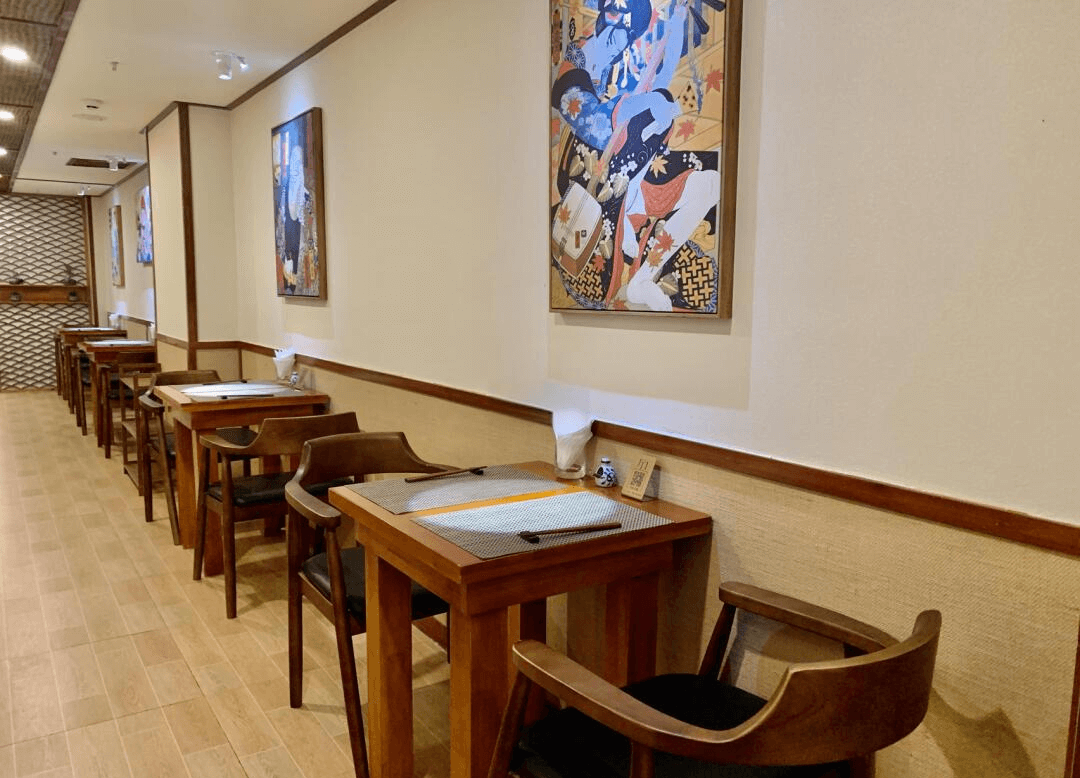
Japanese Restaurant Kitchen Design and Layout
How to decorate a restaurant? Different investors and consumers have varying perceptions of restaurant design styles. Therefore, restaurant design is the most crucial aspect of the entire renovation process. Complementing Chinese cuisine, Western cuisine is renowned worldwide for its distinctive flavors. However, beyond Chinese and Western cuisines, numerous other culinary traditions hold significant influence or familiarity among Chinese consumers. Take Japanese restaurant design, for instance—Japanese cuisine (also known as Japanese cooking) stands out as uniquely distinctive and markedly different from Southeast Asian culinary styles. What key considerations should be addressed in the kitchen design and layout for Japanese restaurants?
Japanese Cuisine and Japanese Kitchens
I. Characteristics of Japanese Cuisine
1. Serving Sequence of Japanese Cuisine
2. Characteristics of Japanese Tableware
II. Production Functions of Japanese Kitchens
1. Main Kitchen
2. Characteristics of Japanese Tableware
3. Robatayaki
4. Teppanyaki
Japanese Kitchen Design and Layout
I. Design and Layout of the Main Japanese Kitchen
II. Sushi Bar Design and Layout
III. Teppanyaki Design and Layout
IV. Robatayaki Design and Layout
Translated with DeepL.com (free version)
Japanese Cuisine and Japanese Kitchens
Japanese cuisine refers to the style of food from Japan. Distinct from Chinese or Western cuisine, Japanese dining features specific serving procedures and set meal compositions. Even the tableware used for serving dishes is uniquely designed, exuding a rich charm. Corresponding to these expressive forms, the kitchens where Japanese meals are prepared also possess distinct functions and characteristics.
I. Characteristics of Japanese Cuisine
If Chinese cuisine emphasizes bold flavors and Western cuisine highlights aromas, then describing Japanese cuisine as emphasizing nutrition is quite apt. Its primary characteristics include mild seasoning, low fat content, prevalence of cold dishes, and appreciation for raw ingredients. Spicy or intensely flavored dishes are exceptionally rare in Japanese cuisine. Instead, low-salt, low-fat, low-calorie options abound, while high-protein dishes are commonplace.
1. Japanese Dining Sequence
Analyzing a complete Japanese cuisine menu and its serving sequence provides a clear understanding of the content and composition of Japanese meals.
Appetizer Plates → Cold Plates → Clear Soup → Sashimi → Grilled Dishes → Stewed Dishes → Fried Dishes → Steamed Dishes → Pickled Dishes → Main Dish
Western and Chinese cuisine, whether in formal set meals or banquets, often begin with cold appetizers or starters to spark conversation and stimulate appetite. Japanese cuisine serves a similar function with its appetizers: the small plates and cold appetizers. These dishes demand novel, distinctive, and aesthetically pleasing servingware. They feature seasonal, premium ingredients prepared through unique methods, with particular emphasis on artistic presentation. Sashimi, or raw fish slices, is a quintessential and distinctive dish in Japanese cuisine. Its preparation hinges on using fresh, live fish. It demands exceptionally high standards for production environments and equipment, including specialized knives, refrigerators, sinks, and high-quality, potable tap water. A clear soup served between appetizers and sashimi, known as “sukimono,” primarily refreshes the palate, bridging the preceding and following courses. Subsequent dishes—grilled, stewed, fried, or steamed—are respectively termed “nabe-mono,” “yaki-mono,” “age-mono,” and “nabe-mono.” These are prepared using distinct kitchen equipment and cooking techniques. These dishes form the main course in Japanese cuisine, distinguished by their unique ingredient selection, preparation techniques, flavor profiles, and tableware choices—truly embodying the principle of “one dish, one flavor; one dish, one art.” Finally comes the staple food. Like most Eastern cultures, Japan centers its diet around rice. However, Japanese cuisine features a distinct rice preparation method: sushi. Often referred to as seaweed-wrapped rice rolls, sushi possesses unique characteristics and enjoys widespread popularity. First, sushi is prepared using a rice vinegar mixture, which stimulates the appetite. Combined with the use of various fish, shrimp, shellfish, and vegetables, it creates colorful and uniquely shaped dishes that offer diners endless enjoyment.Japanese Restaurant Kitchen Design and Layout
2. Characteristics of Japanese Tableware
Japanese tableware is vibrantly colorful, always offering a refreshingly novel experience. Every conceivable material is utilized for tableware, featuring unexpected and delightful shapes and forms, while the use of color fully embraces nature. The most commonly used materials are porcelain, pottery, and lacquerware. Porcelain is smooth and cool to the touch, with a bright, vivid luster. Pottery, in contrast, has a warm appearance. While less glossy, its advantage lies in excellent heat retention. Preheating pottery before serving keeps food warm longer, while pre-cooling it prevents cold dishes from warming up once served. The extensive use of lacquerware is another defining feature of Japanese dining. Japanese lacquerware tableware boasts a wide variety of types, novel designs, and vibrant colors, with a significant portion being hand-painted, holding considerable artistic value. Additionally, Japanese tableware frequently incorporates materials like bamboo, wood, stone, and iron, further contributing to the unique character of Japanese cuisine.
II. Production Functions of Japanese Cuisine Kitchens
Different types of Japanese dishes are produced in kitchens with distinct functions. Japanese kitchens are typically specialized and clearly defined, primarily categorized into main kitchens, sushi bars, robatayaki grills, teppanyaki grills, and other specialized stations.
1. Main Kitchen
In daily operations, the main kitchen serves as the heart of the Japanese restaurant kitchen. It handles ingredient procurement, initial processing, storage, and produces most dishes for the main dining area (banquet hall). Consequently, it requires ample space and extensive equipment to ensure smooth operations.
2. Sushi Bar
Primarily dedicated to sushi preparation, the sushi bar does not require extensive space. As it operates directly in front of guests, all equipment and utensils must be refined and meticulously clean. Some sushi bars feature a back kitchen in addition to the front-of-house area, where simple dishes or preparatory work can be handled.
3. Robatayaki
Robatayaki stations are often connected to the main kitchen, resembling a bar counter. They showcase a variety of fresh ingredients directly to guests, who can select their preferred items and request custom preparation by the chef. During the cooking process, guests and chefs often engage in conversation.
Robatayaki primarily focuses on grilled dishes, though it also offers salads, sashimi, and simple fried or simmered items—mostly designed as accompaniments to drinks.
4. Teppanyaki
Teppanyaki is another form of live cooking performed before guests. Essentially bringing the kitchen to the dining table, chefs use griddles at varying temperatures to cook ingredients to different degrees of doneness based on customer preferences. Teppanyaki ingredients typically feature low-fat, high-protein options like beef, chicken, and seafood. Flavors lean toward light and mild, rarely spicy, emphasizing the natural taste of the ingredients. Teppanyaki dishes are prepared live by chefs at the table, whose movements possess an artistic performance quality. This allows guests to savor delicious cuisine while appreciating the chef’s masterful and skilled techniques. Figure 9-2 shows a functional layout diagram of a Japanese restaurant kitchen.
Japanese Restaurant Kitchen Design and Layout
Japanese restaurant kitchens feature clear division of labor and specific functions, resulting in distinct design priorities for each kitchen area based on its designated name and purpose.
I. Design and Layout of the Main Kitchen
The main kitchen serves relatively comprehensive functions, as it handles everything from ingredient procurement and processing to the preparation of most dishes. The primary ingredients in Japanese cuisine are seafood and vegetables. Therefore, the preparation area should include fish-cutting stations with sinks, along with sufficient cutting boards and sinks for cleaning and processing seafood, sashimi, and raw vegetables.
The cooking area is divided into two sections: one for multi-burner stoves, steamers, deep fryers, and soup pots used for steaming, boiling, frying, and other cooking methods. The second section features various grills specifically designed for preparing grilled dishes. Given the prevalence of grilled items in Japanese cuisine, larger kitchens place significant emphasis on grill design, incorporating top-fired grills, bottom-fired grills, charcoal grills, and similar equipment. Given the staffing constraints in Japanese kitchens, most ingredients are prepped in advance. Combined with the need to store numerous raw dishes before service, ample refrigeration is essential. Refrigerators dedicated to storing sashimi demand exceptional hygiene standards, with some requiring built-in sterilization functions.
The kitchen serving area requires storage cabinets for various tableware. Japanese tableware comes in numerous varieties and materials—porcelain, ceramic, bamboo, wood, stone, iron, lacquerware, glass, plastic, etc.—often necessitating separate storage. For serving hot dishes, utensils require preheating, necessitating the design of warming cabinets. When preparing dishes like sashimi, utensils must be pre-chilled, so some utensils should be stored in refrigerated cabinets.
A dedicated sink should also be installed at the kitchen entrance. This is essential due to the high volume of raw and cold foods in Japanese cuisine and the significant workload involved in advance preparation and display.Japanese Restaurant Kitchen Design and Layout
II. Sushi Restaurant Design and Layout
Sushi restaurants operate directly facing customers, thus requiring bright, uncluttered spaces. With sushi as the primary offering, excessive equipment is unnecessary. Standard equipment typically includes a display refrigerator, a refrigerated work counter, a sink, and a set of utensil cabinets. As sushi restaurants most vividly embody Japanese style, design should prioritize creating an authentic atmosphere.
III. Teppanyaki Design and Layout
Teppanyaki operations primarily take place within the dining area, so the design should align with the restaurant’s overall style while incorporating appropriate zoning. Standard teppanyaki griddles measure 110 cm x 80 cm, requiring a flat, smooth surface that heats evenly. The perimeter of the grill should be finished with stainless steel trim. Customer countertops are typically crafted from wood or marble. Sufficient ventilation and exhaust systems must be installed above the grill to prevent grease fumes from contaminating the dining area and compromising the guest experience. Lighting in the teppanyaki zone should be brighter than in other restaurant sections.
IV. Robatayaki Design and Layout
Robatayaki also involves preparing food in front of guests at the restaurant, so the design should prioritize efficient equipment placement that is both logical and space-saving. Commonly equipped items include work counter refrigerators, grills, noodle pots, sinks, multi-burner stoves, and display refrigerators.
Kitchen design is crucial for any restaurant, especially given the ongoing rise in raw material and labor costs. The quality of kitchen design directly impacts business performance. For Japanese restaurants, kitchens are typically positioned in the central to rear section of the building, occupying 30% to 40% of the total floor area.Japanese Restaurant Kitchen Design and Layout
Kitchen design must also account for the need to handle tasks like raw material and food delivery during business hours. It is essential that these delivery points are adjacent to the kitchen.
In Japanese restaurants, the cashier position is most commonly situated between the entrance and the kitchen/utensil counter area. However, it is also frequently placed opposite the entrance/exit, or on a different level, with the back facing the kitchen. This arrangement facilitates a smoother sequence of actions: greeting guests, guiding them to their seats, taking orders, and serving dishes.

Product Video:  Follow us on Facebook
Product Category
| >Cooking Equipment | >Refrigeration Equipment | >Bakery Equipment | >Food Processing Equipment | >S.S. Furniture
| >Food Display Equipment | >Snack equipment | > | >Furniture | >Small Wares